“coffee tree harvest” search results (3000)

Coffee production in Brazil and coffee bean production in coffee farms
Coffee plantations in Brazil range from large farms mechanized on flat land to small farms harvested artificially in mountain areas. There are no shade trees for shade in Brazilian agricultural gardens. The production of coffee is mainly taken into account, ① production, ② diseases and insect pests ③ quality as far as the stability pursued by agriculture is concerned, the first priority is production. In addition, 80% of Brazilian coffee is dried coffee.
2015-02-15 Brazil coffee production farm coffee beans ground implementation
Introduction to the varieties and characteristics of Coffee beans
Typica, also known as Tippica, is the closest to the native species of Arabica, where almost all Arabica varieties originated. It was widely cultivated in Central and South America in the past, with long beans and excellent aroma and sour taste, but it is not resistant to leaf rust and requires a considerable number of shading trees, resulting in low production (same as bourbon, every two).
2016-06-05 Coffee beans varieties and their characteristics introduction
Coffee tree coffee harvest roasting process
Roasting is the last and most important step in the processing of coffee beans after they have been picked. Green coffee beans cannot be used directly to make drinking coffee. All coffee beans must be roasted before grinding and brewing. Unroasted coffee is often referred to as green coffee, which has a shelf life of up to a year compared to roasted coffee. The size of the green coffee beans
2014-09-29 Coffee knowledge Coffee picking Coffee roasting
Introduction of boutique coffee bean La minita Raminita
Country: Indonesia name: Raminita Lintong,Sumatra production area: Lake Toba, Lintong,Sumatra Particle size: 18 mesh treatment: semi-washed altitude: 1000-1800 m Variety: Arabica Ikanda (Iskandar) Coffee is produced in Medan, North Sumatra, near Lake Lake Toba. Through La minita's exquisite sun technology and three times
2015-01-13 Boutique coffee beans minita Lamy Nita introduction country Indonesia products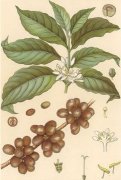
Coffee knowledge Coffee tree coffee beans growth habits
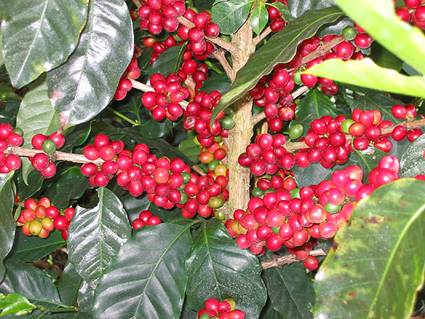
Coffee is a drink that gives the public the impression of being black, bitter, sleepless, and excited. The coffee beans we see in coffee shops are dark brown and belong to roasted coffee beans, while the color of coffee liquid is amber. Coffee comes from coffee beans, which in turn are harvested and processed from the fruits of trees. Distribution of coffee: coffee trees
2015-02-16 coffee knowledge coffee bean growth habits one kind drink popular elephant
Boutique coffee beans: introduction to Raminita La Minita Coffee
Country: Indonesia name: Raminita Lintong,Sumatra production area: Lake Toba, Lintong,Sumatra Particle size: 18 mesh treatment: semi-washed altitude: 1000-1800 m Variety: Arabica Ikanda (Iskandar) Coffee is produced in Medan, North Sumatra, near Lake Lake Toba. Through La minita's exquisite sun technology and three times
2015-12-05 Boutique coffee beans Lamy Nita Minita coffee introduction
Introduction of Indonesian coffee bean Raminita La Minita coffee
Country: Indonesia name: Raminita Lintong,Sumatra production area: Lake Toba, Lintong,Sumatra Particle size: 18 mesh treatment: semi-washed altitude: 1000-1800 m Variety: Arabica Ikanda (Iskandar) Coffee is produced in Medan, North Sumatra, near Lake Lake Toba. Through La minita's exquisite sun technology and three times
2015-01-09 Indonesia Coffee beans Lamy Nita Minita Coffee introduction country India
Coffee harvest time manually picked coffee beans
The vast majority of coffee is hand-picked. In order to ensure the quality of coffee, the picker needs to identify which fruits are suitable for harvest and pick them from the trees one by one, which takes a lot of energy and time. In this era of technology, such a human hand work is precious. (Due to different planting areas, the receiving time will also change)
2016-05-06 coffee harvest time manual picking coffee beans vast majority via
Coffee Tree planting knowledge Coffee Tree growing Environment
Coffee gives the public the impression that it is black, bitter and excited after drinking sleepless beverages. The coffee beans we see in the coffee shop are brown, roasted beans and amber. Coffee comes from coffee beans, which are harvested and processed from the fruits of coffee trees. Coffee trees grow at the center of the equator, south.
2015-03-04 Coffee planting knowledge growth environment coffee public like black bitter
Coffee production and Coffee Farm in Brazil
Coffee plantations in Brazil range from large farms mechanized on flat land to small farms harvested artificially in mountain areas. There are no shade trees for shade in Brazilian agricultural gardens.
2014-06-05 Brazilian coffee coffee farm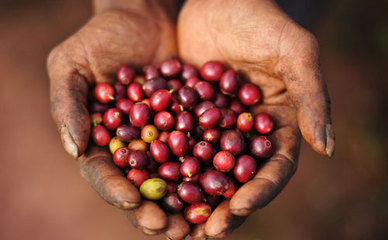
Harvest time of coffee fruit explain the month of harvest time and picking of coffee fruit according to equator classification
The vast majority of coffee fruits are picked manually. In order to ensure the quality of coffee, pickers need to identify which fruits are suitable for harvest and pick them one by one from the tree, which takes a lot of energy and time. In this era when the tide of science and technology is sweeping in, such humane manual work is very precious. Due to different planting areas, the receiving time also changes.
2016-01-18 Coffee harvest time equator classification explanation fruit interval month
Harvesting and processing of coffee
Coffee is the fruit of a Rubiaceae plant growing about 6000 feet above sea level, distributed on the world's narrow subtropical axis; coffee trees grow green all the year round and can grow up to 20 feet tall, and are generally controlled at 8 to 10 feet for easy harvest.
2014-06-17 Coffee knowledge coffee processing coffee harvesting coffee encyclopedia
Coffee farms in Brazil
Coffee plantations in Brazil range from large mechanized farms on flat land to small farms harvested manually in mountainous areas. Brazilian farms have no shade trees for shade.
2014-09-01 coffee knowledge brazilian coffee coffee farm brazilian coffee farm
Boutique Coffee introduced in Santo Domingo Coffee Manor, Dominica
Catuaikadu Aikadu Aikadu Aica Dewey (caturra Kaddura and mondunovo New World artificial hybrid coffee varieties. The tree height of caturra is shorter than that of mundonovo, and the improved height is more convenient to harvest after mixing. The sweetness performance is similar to that of cattura, and there is a great correlation between fertilization techniques. The planting density is high, the proper fertilization can have high production capacity, and the trees can endure operation.
2016-07-01 Dominica Santo Mingo Coffee Manor producing area introduction boutique catu
Coffee tree history coffee morphological characteristics coffee cultivation techniques
Coffee tree is a shrub or small tree of Rubiaceae; leaves opposite, leathery, long oval; every March, branches will emerge white flowers, petals spiral arrangement, flower center around the petals jump, a closer look, really like childhood play with the small windmill, issued bursts of jasmine fragrance; fruit is oval, berry, dark red, hidden two seeds, that is, we are familiar with coffee
2016-05-26 coffee history morphological characteristics cultivation techniques
Coffee growing knowledge
Coffee is a drink that gives the public the impression of being black, bitter, sleepless, and excited. The coffee beans we see in coffee shops are dark brown and belong to roasted coffee beans, while the color of coffee liquid is amber. Coffee comes from coffee beans, which in turn are harvested and processed from the fruits of trees. Coffee growing habits: coffee
2015-08-19 coffee growing knowledge one kind drink popular like black bitter
The harvest of coffee beans varies from country to country.
The harvest time is different in different countries and regions. The harvest process requires a lot of manpower, especially high-quality selected coffee, which can only pick fully ripe red coffee cherries. Because all coffee cherries don't ripen at the same time, you need to go back to the same tree many times to pick.
2014-09-13 Coffee knowledge coffee bean harvest harvest time
Boutique coffee common sense coffee growth knowledge
Coffee is a kind of drink, which gives the public the impression that it is black, bitter, sleepless and excited. The coffee beans we see in the coffee shop are tea-brown, which belongs to roasted coffee beans, while the color of the coffee liquid is amber. Coffee comes from coffee beans, which are harvested and processed from the fruit of trees. The growth habit of coffee: coffee
2014-11-12 Coffee knowledge Coffee growth Coffee Encyclopedia
Coffee Encyclopedia Coffee growth knowledge
Coffee is a kind of drink, which gives the public the impression that it is black, bitter, sleepless and excited. The coffee beans we see in the coffee shop are tea-brown, which belongs to roasted coffee beans, while the color of the coffee liquid is amber. Coffee comes from coffee beans, which are harvested and processed from the fruit of trees. The growth habit of coffee: coffee
2014-09-19 Coffee encyclopedia coffee growth knowledge